
Medical Examination Gloves Manufacturer & Supplier in Malaysia
Medical examination gloves are essential personal protective equipment (PPE) used by healthcare professionals to maintain hygiene, minimise cross-contamination and provide a protective barrier during medical examinations and procedures. Designed for single use, these disposable gloves help protect both healthcare workers and patients from direct contact with blood, bodily fluids, microorganisms and potentially harmful substances.
As a medical examination gloves manufacturer in Malaysia, Riverstone Resources Sdn. Bhd. specialises in producing quality healthcare and cleanroom gloves for customers across international markets. With a strong focus on manufacturing quality, product innovation and regulatory compliance, Riverstone provides glove solutions designed to meet the requirements of healthcare professionals, medical distributors, laboratories and other industries.
Medical examination gloves are available in several materials, including natural rubber latex, nitrile rubber, vinyl and neoprene. Each material offers different levels of flexibility, comfort, durability and chemical resistance. Selecting the appropriate glove depends on the intended application, potential exposure risks, user requirements and applicable regulatory standards.


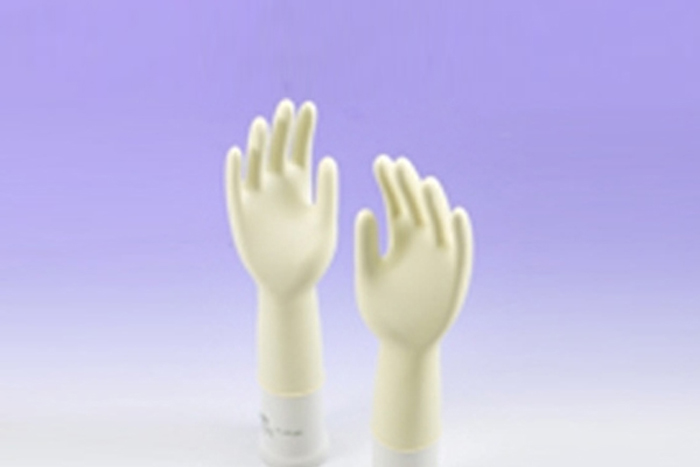
What Are Medical Examination Gloves?
Medical examination gloves are disposable protective gloves designed to reduce the risk of contamination during routine medical examinations, diagnostic procedures and patient care activities. They act as a physical barrier between the wearer's hands and potentially infectious materials, helping to maintain hygienic working conditions in healthcare environments.
Unlike reusable industrial gloves, medical examination gloves are generally designed for single-use applications and should be changed between patients or procedures in accordance with established infection prevention protocols.
These gloves are commonly used by doctors, nurses, dentists, laboratory technicians, medical assistants and other healthcare professionals. They are also widely used in pharmaceutical manufacturing, research laboratories, food handling and other applications where hand hygiene and contamination control are important.
Depending on the application, medical examination gloves are available in sterile and non-sterile versions. Sterile gloves are intended for procedures requiring a sterile barrier, while non-sterile examination gloves are commonly used for routine patient examinations and general healthcare activities.
Types of Medical Examination Gloves
Medical examination gloves are manufactured using different polymer materials to accommodate various working environments and protection requirements. Understanding their differences helps healthcare providers and procurement teams select suitable gloves.
1. Latex Medical Examination Gloves
Natural rubber latex has been a traditional material for medical examination gloves for decades. Produced from the natural rubber latex of the Hevea brasiliensis tree, latex gloves are valued for their elasticity, flexibility and comfortable fit.
One of the main advantages of latex medical examination gloves is their excellent tactile sensitivity. Their close fit allows healthcare professionals to perform tasks requiring precision and finger dexterity, including routine examinations, patient handling and certain diagnostic procedures.
Other benefits include:
-
Excellent elasticity: Flexible material that stretches and conforms to the shape of the hand.
-
Comfortable fit: Provides a natural feel during extended periods of use.
-
Tactile sensitivity: Supports handling of delicate medical instruments and examination procedures.
-
Good durability: Offers a combination of strength and flexibility when properly manufactured.
-
Secure handling: Textured surface options can improve grip during medical tasks.
However, natural rubber latex contains proteins that may trigger allergic reactions in sensitive individuals. Healthcare organisations should consider latex allergies among staff and patients when selecting examination gloves. Where latex sensitivity is a concern, nitrile gloves are a suitable alternative.
2. Nitrile Medical Examination Gloves
Nitrile gloves are manufactured from synthetic rubber, also known as nitrile butadiene rubber (NBR). They have become an important alternative to natural rubber latex gloves because they do not contain natural rubber latex proteins.
Nitrile medical examination gloves are recognised for their puncture resistance, durability and resistance to many chemicals, oils and cleaning substances. These characteristics make them suitable for healthcare environments where additional material resistance is required.
Key benefits include:
-
Latex-free material: Suitable for users who need to avoid natural rubber latex proteins.
-
Puncture resistance: Provides good resistance to punctures and tears.
-
Chemical resistance: Offers resistance to many oils, greases and selected chemicals.
-
Durability: Suitable for demanding healthcare and laboratory applications.
-
Comfort and flexibility: Modern nitrile formulations provide improved fit and tactile sensitivity.
Riverstone's healthcare glove portfolio places a strong emphasis on premium nitrile gloves, including specialised options designed for different user and application requirements.
3. Vinyl Medical Examination Gloves
Vinyl examination gloves are made from polyvinyl chloride (PVC), a synthetic plastic material. They are generally selected for applications involving lower exposure risks and where frequent glove changes are required.
Vinyl gloves are usually less elastic than latex and nitrile gloves. They may therefore provide a looser fit and lower tactile sensitivity.
Typical applications include selected food handling, cleaning and general hygiene tasks. Their suitability for medical use must be determined by the relevant product's medical-device status, intended purpose and applicable regulatory requirements.
4. Neoprene Medical Examination Gloves
Neoprene gloves are made from synthetic rubber and offer a combination of flexibility and resistance to various chemicals. They can provide an alternative for users who require latex-free gloves with specific performance characteristics.
Depending on the formulation and product specifications, neoprene gloves may be used in selected medical, laboratory and specialised applications.
Medical Examination Gloves Manufacturing Process
The manufacturing process plays an important role in determining the quality, consistency, strength and performance of medical examination gloves. At Riverstone, manufacturing quality and process control are important considerations in producing healthcare gloves for international markets.
The general glove manufacturing process involves several stages:
1. Raw Material Preparation and Formulation
The process begins with selecting and preparing the appropriate raw materials. For latex gloves, natural rubber latex is formulated with carefully selected chemical compounds to achieve the required elasticity, tensile strength and physical properties.
For nitrile gloves, synthetic nitrile rubber is formulated to provide the required flexibility, strength and resistance characteristics.
The formulation process is important because differences in raw materials and chemical composition can affect the final glove's performance.
2. Former Cleaning and Preparation
Hand-shaped ceramic or aluminium formers are cleaned before entering the production line. These formers determine the glove's shape, size and surface characteristics.
Proper cleaning is essential to minimise contamination and support consistent product quality.
3. Coagulant Application and Dipping
The prepared formers pass through a coagulant application stage before being dipped into the formulated latex or nitrile compound.
The dipping process forms a thin layer of rubber material around the former. Production parameters, including formulation, dipping conditions and line speed, influence the glove's thickness and physical characteristics.
4. Vulcanisation and Curing
The coated formers undergo controlled heating to strengthen the rubber material and develop the required elasticity and durability.
Vulcanisation is particularly important in rubber glove manufacturing because it improves the physical properties of the finished product.
5. Leaching and Washing
The gloves undergo washing and leaching processes to remove residual chemicals and other unwanted substances from the manufacturing process.
For natural rubber latex gloves, appropriate processing can also help reduce residual latex protein levels. However, latex gloves should not automatically be considered hypoallergenic, as allergic reactions may still occur.
6. Stripping and Quality Inspection
Once the gloves have completed the necessary processing stages, they are removed from the formers and undergo quality inspections.
Depending on the product specifications, quality checks may include visual inspection, physical property testing, dimensional checks and testing for pinholes or other defects.
7. Packaging and Distribution
Approved gloves are packed according to their product specifications and intended applications. Packaging information typically identifies the glove material, size, product type, manufacturer and relevant regulatory information.
Proper packaging and storage help maintain product quality before distribution and use.
Riverstone Medical Examination Gloves: Quality, Certifications and Compliance
Riverstone's published certifications include:
-
ISO 9001:2015 – Quality Management System: Establishes a framework for managing quality processes and maintaining consistent products and services.
-
ISO 13485:2016 – Medical Devices Quality Management System: Addresses quality management requirements relevant to medical device manufacturing and distribution.
-
ISO 14001:2015 – Environmental Management System: Supports systematic environmental management and improvement.
-
ISO 45001:2018 – Occupational Health and Safety Management System: Provides a framework for managing workplace health and safety risks.
-
BS EN ISO 374-1:2016+A1:2018: Relates to terminology and performance requirements for protective gloves against dangerous chemicals.
-
CE certification: Published among Riverstone's certification credentials for applicable products.
-
US FDA 510(k): Riverstone publishes FDA 510(k) credentials for applicable medical device products.
-
UL Classified MH49847: A published classification credential.
Riverstone's ISO 13485:2016 certificate specifically covers the manufacture and distribution of non-sterile and sterile latex gloves, as well as non-sterile and sterile nitrile gloves. The published certificate is valid from 25 June 2025 to 25 June 2028, subject to satisfactory surveillance audits.
Environmental and Social Compliance
In addition to manufacturing certifications, Riverstone publishes several environmental and social compliance credentials:
-
REACH Compliance: Relates to European Union requirements concerning the registration, evaluation, authorisation and restriction of chemicals.
-
RoHS 3 Compliance: Addresses restrictions on certain hazardous substances in electrical and electronic equipment, where applicable.
-
SMETA: A social audit methodology covering areas such as labour standards, health and safety, environmental performance and business ethics.
-
Responsible Business Alliance (RBA): Supports responsible business practices and ethical supply chain standards.
-
Business Social Compliance Initiative (BSCI): Promotes responsible working conditions and social compliance in supply chains.
-
Worldwide Responsible Accredited Production (WRAP): A programme focused on lawful, ethical and responsible manufacturing practices.
These credentials provide procurement teams and business partners with additional information when assessing a manufacturer's quality systems, environmental practices and social responsibility.
Importantly, individual certifications and regulatory approvals may apply to specific manufacturing activities or product categories. Buyers should request the relevant product certificates, declarations of conformity and technical documentation when evaluating a particular glove model.
For the latest certification information, visit Riverstone Certifications.
How to Choose the Right Medical Examination Gloves
Selecting the appropriate medical examination gloves requires consideration of the intended application, user requirements and relevant safety standards.
Here are several important factors to evaluate:
1. Glove Material
Choose between latex, nitrile, vinyl or other suitable materials based on the required flexibility, durability, chemical resistance and potential allergy concerns.
2. Glove Size and Fit
Medical examination gloves should fit comfortably without being excessively tight or loose. An appropriate fit improves dexterity, comfort and handling during medical procedures.
3. Strength and Durability
Evaluate the glove's tensile strength, elongation, puncture resistance and resistance to tearing. These properties influence how well the glove performs during use.
4. Tactile Sensitivity
Healthcare professionals often perform tasks requiring precise finger movements. Gloves with suitable thickness and flexibility can help maintain tactile sensitivity.
5. Sterile or Non-Sterile Requirements
Determine whether the intended procedure requires sterile gloves or whether non-sterile examination gloves are appropriate.
6. Chemical and Biological Protection
Consider the substances and potential hazards encountered during use. Select gloves that have been tested and certified for the intended protection requirements.
7. Certifications and Regulatory Compliance
Check the manufacturer's quality management certifications, product declarations and applicable medical-device approvals. Ensure that documentation corresponds to the actual glove model being purchased.
Applications of Medical Examination Gloves
Medical examination gloves are used across various professional environments where hygiene, contamination prevention and hand protection are essential.
Common applications include:
-
Hospitals and medical centres: Used by healthcare professionals during patient examinations, routine care and selected medical procedures.
-
Clinics and healthcare facilities: Help maintain hygienic practices during consultations, diagnostic examinations and patient handling.
-
Dental practices: Provide a protective barrier during dental examinations, cleaning and treatment procedures.
-
Medical laboratories: Used when handling specimens and performing laboratory activities, subject to the relevant chemical and biological hazards.
-
Pharmaceutical industries: Support hygiene and contamination control during selected manufacturing and handling operations.
-
Research facilities: Used for selected research activities involving biological materials and laboratory substances.
-
Food handling: Suitable gloves may be used in food preparation and processing when they meet the relevant food-contact requirements.
The glove material and product specifications should always match the intended application. Medical examination gloves are not automatically suitable for every chemical, surgical or high-risk industrial application.
Why Choose Riverstone as Your Medical Examination Gloves Manufacturer?
Finding a reliable medical examination gloves supplier is essential for healthcare organisations, medical distributors and procurement companies that require consistent product quality and dependable manufacturing capabilities.
Riverstone Resources Sdn. Bhd. offers several advantages:
Established Manufacturing Experience
Established in 1991, Riverstone has developed its manufacturing capabilities in cleanroom and healthcare gloves, serving customers across international markets.
Recognised Quality Management Systems
Riverstone maintains internationally recognised management system certifications, including ISO 9001:2015 and ISO 13485:2016, supporting its commitment to manufacturing and product quality.
Healthcare Glove Expertise
Riverstone specialises in healthcare gloves, with a strong focus on nitrile glove manufacturing and product development.
Research and Development
Its dedicated research and development activities support continuous product improvement, manufacturing innovation and the development of specialised glove solutions.
International Market Experience
Riverstone serves customers across Asia, the Americas and Europe through its international business network and distribution partnerships.
Commitment to Responsible Manufacturing
Environmental management, occupational safety and social compliance form important parts of Riverstone's manufacturing and sustainability approach.
For medical distributors, healthcare procurement teams and international buyers seeking an established glove manufacturer, Riverstone offers manufacturing expertise supported by recognised quality systems and compliance credentials.
Get in Touch with Riverstone for Medical Examination Gloves
Looking for a reliable medical examination gloves manufacturer and supplier?
Riverstone Resources Sdn. Bhd. provides healthcare glove manufacturing solutions for medical distributors, healthcare organisations and international business partners.
Whether you are sourcing latex medical examination gloves, nitrile healthcare gloves or specialised glove products, our team can assist with product information, technical specifications and relevant certification documentation.
Contact Riverstone to discuss your medical examination glove requirements and explore suitable products for your business.
Visit Riverstone Resources to learn more about our healthcare gloves and manufacturing capabilities.
Frequently Asked Questions About Medical Examination Gloves
1. What are medical examination gloves used for?
Medical examination gloves are disposable protective gloves used by healthcare professionals to reduce the risk of cross-contamination and exposure to blood, bodily fluids and potentially infectious materials. They are commonly used in hospitals, clinics, dental practices, laboratories and other healthcare environments.
2. What are the different types of medical examination gloves?
The main types of medical examination gloves include latex, nitrile, vinyl and neoprene gloves. Latex gloves offer excellent elasticity and tactile sensitivity, while nitrile gloves provide good puncture resistance and are suitable for individuals who need to avoid natural rubber latex. Vinyl gloves are commonly used for lower-risk applications.
3. What is the difference between latex and nitrile medical examination gloves?
Latex gloves are manufactured from natural rubber and are valued for their flexibility, elasticity and comfortable fit. Nitrile gloves are made from synthetic rubber and offer good puncture resistance and chemical resistance without containing natural rubber latex proteins. The appropriate choice depends on the application and the user's requirements.
4. Are latex medical examination gloves safe for everyone?
No. Some individuals may experience allergic reactions to natural rubber latex proteins. Symptoms can range from skin irritation and contact dermatitis to more serious allergic reactions. Healthcare organisations should consider latex-free alternatives, such as nitrile gloves, when dealing with individuals who have latex allergies.
5. What is the difference between sterile and non-sterile examination gloves?
Sterile examination gloves undergo a validated sterilisation process to meet specified sterility requirements. They are used for procedures requiring a sterile barrier. Non-sterile examination gloves are commonly used for routine patient examinations and general healthcare activities where sterile gloves are not required.
6. How do I choose the right size of medical examination gloves?
The correct glove size should provide a comfortable fit without restricting finger movement or creating excessive looseness. Gloves that are too tight may increase discomfort and the risk of tearing, while oversized gloves can affect grip and dexterity. Most manufacturers offer several sizes, including XS, S, M, L and XL.
7. What certifications should I look for when purchasing medical examination gloves?
Buyers should evaluate the manufacturer's quality management certifications, applicable medical-device registrations and product-specific compliance documentation. Important credentials may include ISO 13485 for medical device quality management, ISO 9001 for quality management and relevant regulatory approvals such as FDA 510(k), CE conformity and applicable national medical-device registrations. Always verify that the certification covers the specific product being purchased.
8. Does Riverstone manufacture medical examination gloves?
Yes. Riverstone Resources Sdn. Bhd. is a manufacturer of healthcare and cleanroom gloves in Malaysia. Its ISO 13485:2016-certified scope includes the manufacture and distribution of sterile and non-sterile latex gloves and nitrile gloves.
9. What industries use medical examination gloves?
Medical examination gloves are widely used in hospitals, clinics, dental practices, diagnostic laboratories, pharmaceutical facilities, research institutions and selected food processing environments. Different applications require different glove materials and performance specifications.
10. How can I purchase medical examination gloves from Riverstone?
Businesses, medical distributors and healthcare procurement teams can contact Riverstone Resources directly to enquire about healthcare glove products, technical specifications, product certifications and purchasing requirements. Visit the official Riverstone website at https://www.riverstone.com.my/ to submit an enquiry.
